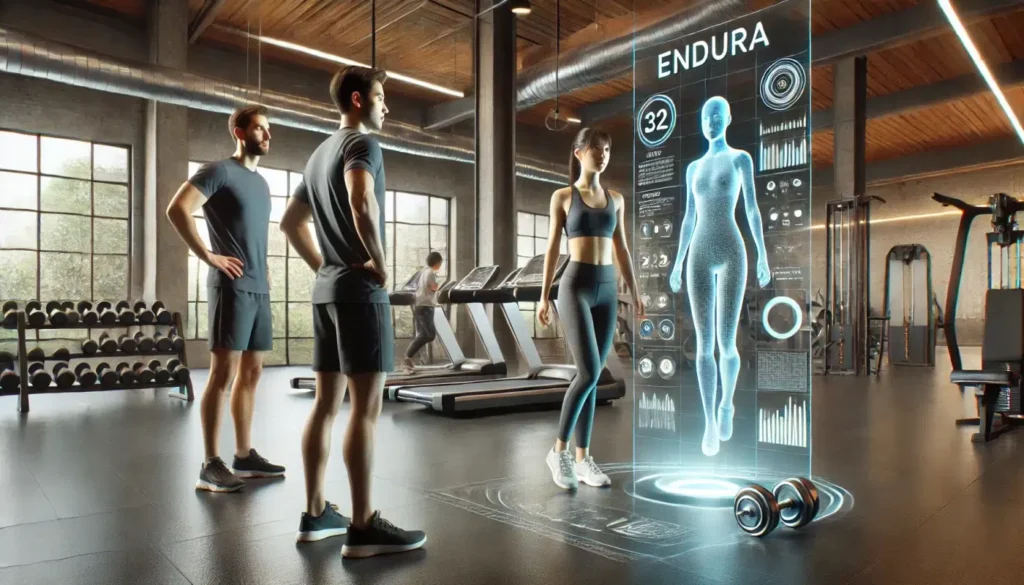
A New Layer in Fitness
Personal training has always been built on human observation. A coach watches your form, adjusts your plan, and keeps you motivated. But technology is now adding another layer. Artificial intelligence is finding its way into fitness routines, making coaching less dependent on face-to-face sessions. For many people, this shift mirrors other habits—switching between daily tasks while trying something online, the same way one might play crazy coin flip live during a break. Fitness, like entertainment, is becoming more digital and more personalized.
The Rise of Data-Driven Coaching
AI works best when it has data. In personal fitness, that means collecting information about heart rate, sleep, steps, and exercise habits. Devices and apps now track almost everything, creating a constant stream of numbers.
Coaches once relied on what clients told them or what they could see in a session. AI tools, however, analyze daily patterns that trainers might miss. They can detect when recovery is too short, when effort is slipping, or when progress has stalled. Instead of guessing, plans can be adjusted using measurable trends.
Adaptive Training Plans
One major change AI brings is adaptability. Traditional training schedules are built in advance. They might work for some time, but they can also become outdated quickly if life gets in the way—injuries, work stress, or lack of sleep.
AI-driven systems adapt in real time. If a person logs poor sleep, the plan may suggest lighter activity. If progress comes faster than expected, the system raises the challenge earlier. This flexibility is difficult for human coaches to maintain at scale, but AI can make those adjustments automatically.
Form and Technique Monitoring
Another area where AI is spreading is in movement tracking. Cameras and sensors can now analyze body position, spotting issues like rounded shoulders in a push-up or uneven balance in a squat. These small corrections matter because poor form can lead to injury.
For people training alone at home, this is valuable. Instead of waiting for the next in-person session, feedback comes instantly. While not perfect, the technology is advancing and may soon rival the accuracy of a trained eye.
Motivation and Behavior Support
Coaching is not only about exercise plans. A large part of it is keeping people consistent. AI tools are starting to cover this ground by sending reminders, tracking goals, and adjusting difficulty to maintain engagement.
Behavioral patterns matter. If someone tends to skip workouts on Mondays, AI can suggest shorter or more enjoyable routines for that day. The system learns what works for each person and adjusts, aiming to reduce dropouts.
Limits of AI in Coaching
Still, AI cannot replace everything a coach does. Human trainers bring encouragement, empathy, and accountability. They notice things beyond numbers—like a client’s mood, body language, or personal struggles.
AI can support coaching but not fully substitute for it. The best approach may be a combination: using technology for tracking and adjustments, while humans provide connection and deeper understanding.
Ethical and Practical Concerns
As with other fields, AI in fitness raises questions. Where does the data go? Who owns it? How is it used beyond training? These issues matter, especially when sensitive health information is involved.
There’s also the risk of over-reliance. People may become dependent on the system, following instructions without learning how to manage their fitness independently. Striking a balance between guidance and personal awareness will be important.
Looking Ahead
AI in personal fitness coaching is still developing. The tools available now are just the beginning. Future systems may include even more precise body scans, advanced injury prevention methods, or integration with medical data.
The direction is clear: training will continue to blend human guidance with digital intelligence. For many, this means more flexible, efficient, and tailored coaching than ever before.
Conclusion
Artificial intelligence is changing the way people train. From adaptive plans to real-time feedback, it provides tools that expand what coaches can offer. But it does not erase the need for human support. Instead, it adds another dimension to fitness—one that makes personal coaching more accessible and more responsive to daily life.
As with any technology, its value depends on how it’s used. For those open to blending tradition with innovation, AI may shape the next era of personal fitness coaching.